
Introduction
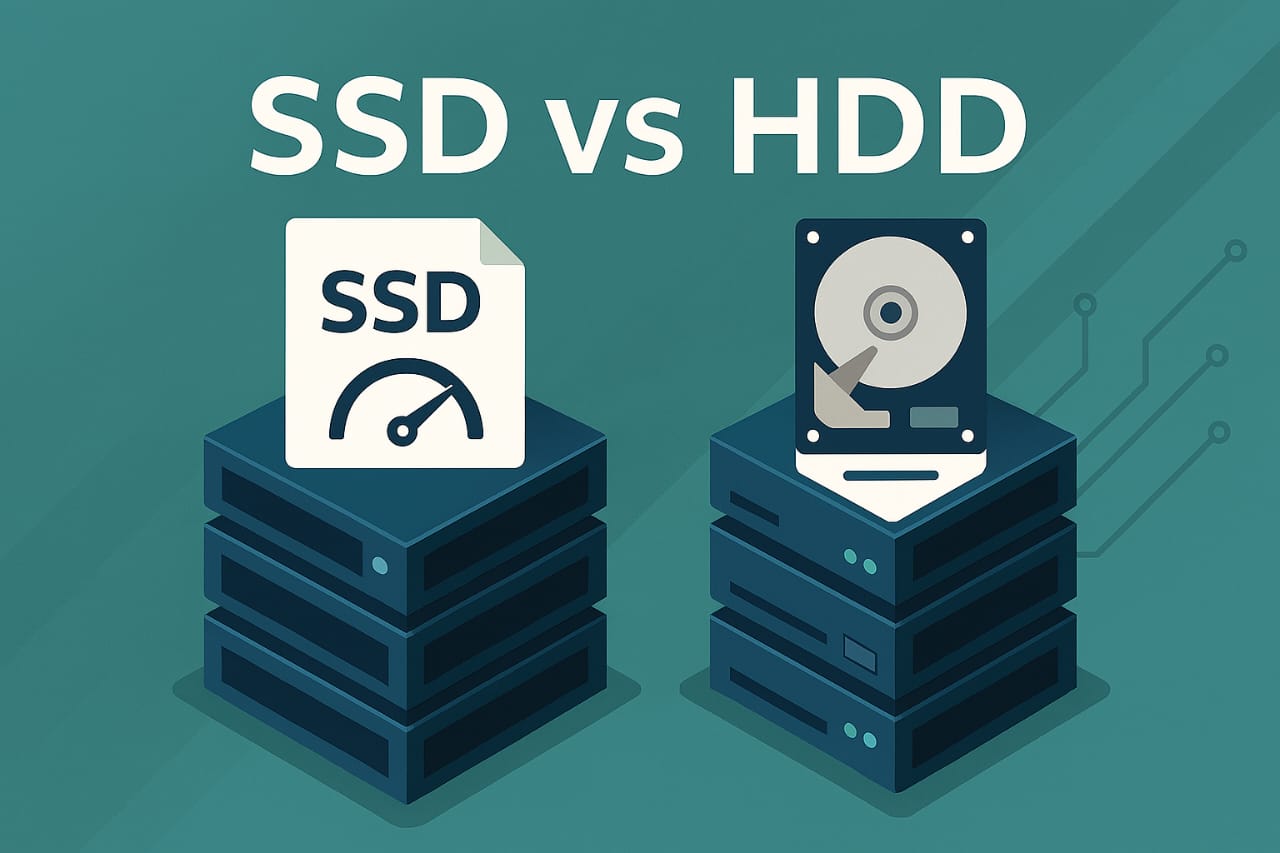
Choosing between SSD VPS and HDD VPS depends on speed reliability and hosting goals. SSD delivers fast random input output and responsive performance while HDD offers larger storage at a lower cost for bulk data. This guide gives beginners and teams a clear path to pick the right option for 2025 projects with confidence.
یہاں امیج اپلوڈ کرنی ہے
What is SSD VPS
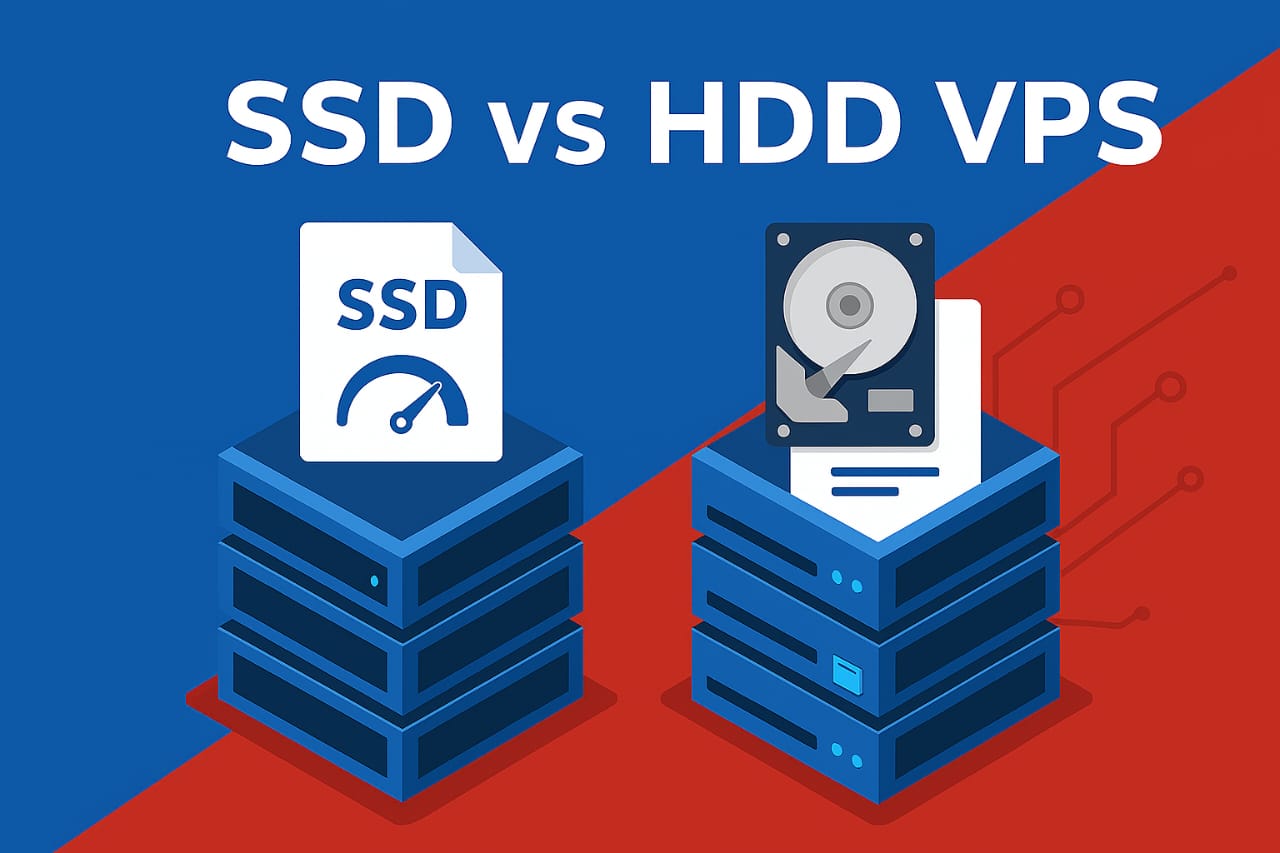
SSD VPS uses solid state drives with no moving parts. Reads and writes are fast which improves page load time API responsiveness and database queries under concurrent traffic. SSD VPS suits ecommerce blogs and modern apps that need speed stability and efficient scaling for high traffic workloads.
یہاں امیج اپلوڈ کرنی ہے
What is HDD VPS
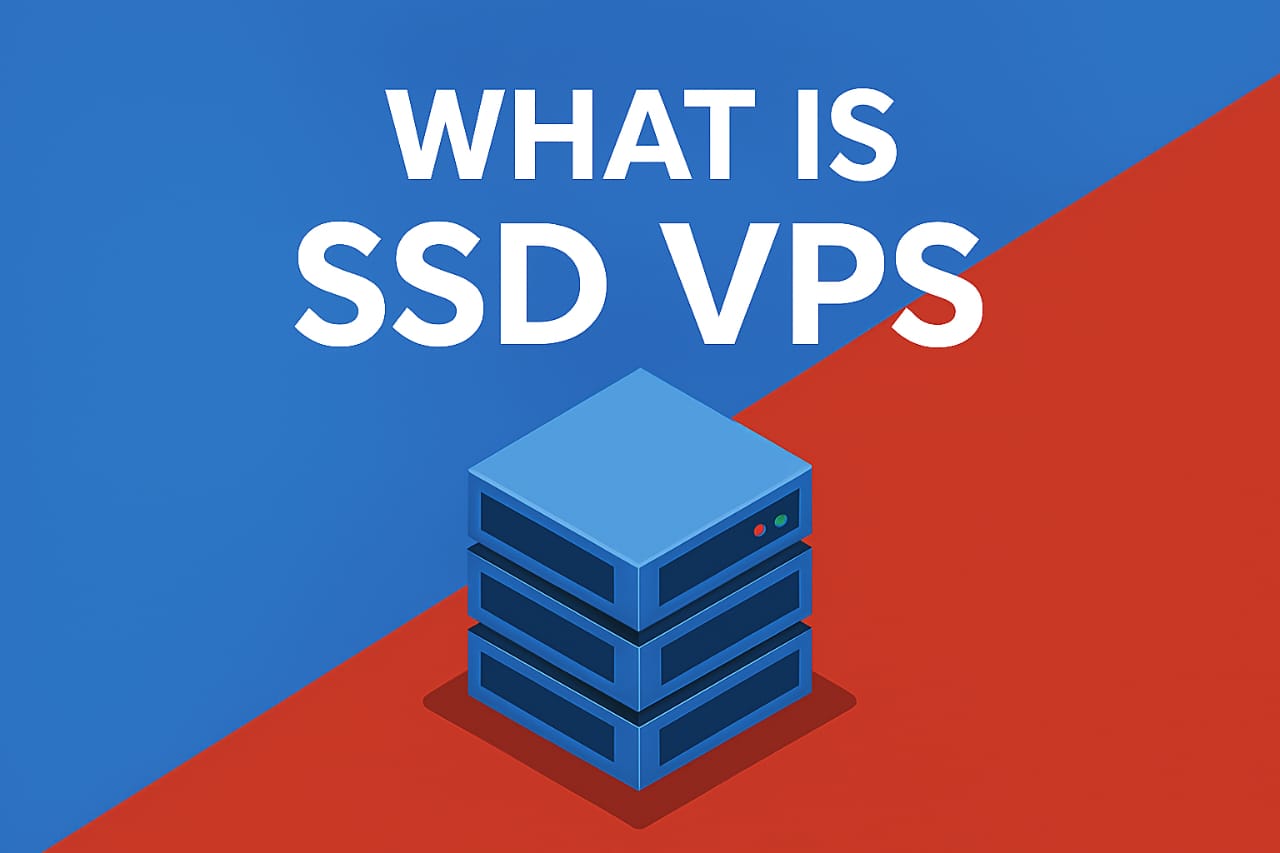
HDD VPS uses traditional spinning disks. Capacity per rupee is higher which makes HDD practical for archives backups and static content where performance is secondary. HDD VPS is useful when you need space first and can accept slower access for mixed workloads.
یہاں امیج اپلوڈ کرنی ہے
SSD vs HDD VPS in simple terms
SSD is for speed reliability and modern workloads that depend on quick random input output. HDD is for large storage and budget control when sequential reads and bulk data dominate. SSD improves user experience and can help rankings through faster load while HDD supports long term archives and low traffic projects.
یہاں امیج اپلوڈ کرنی ہے
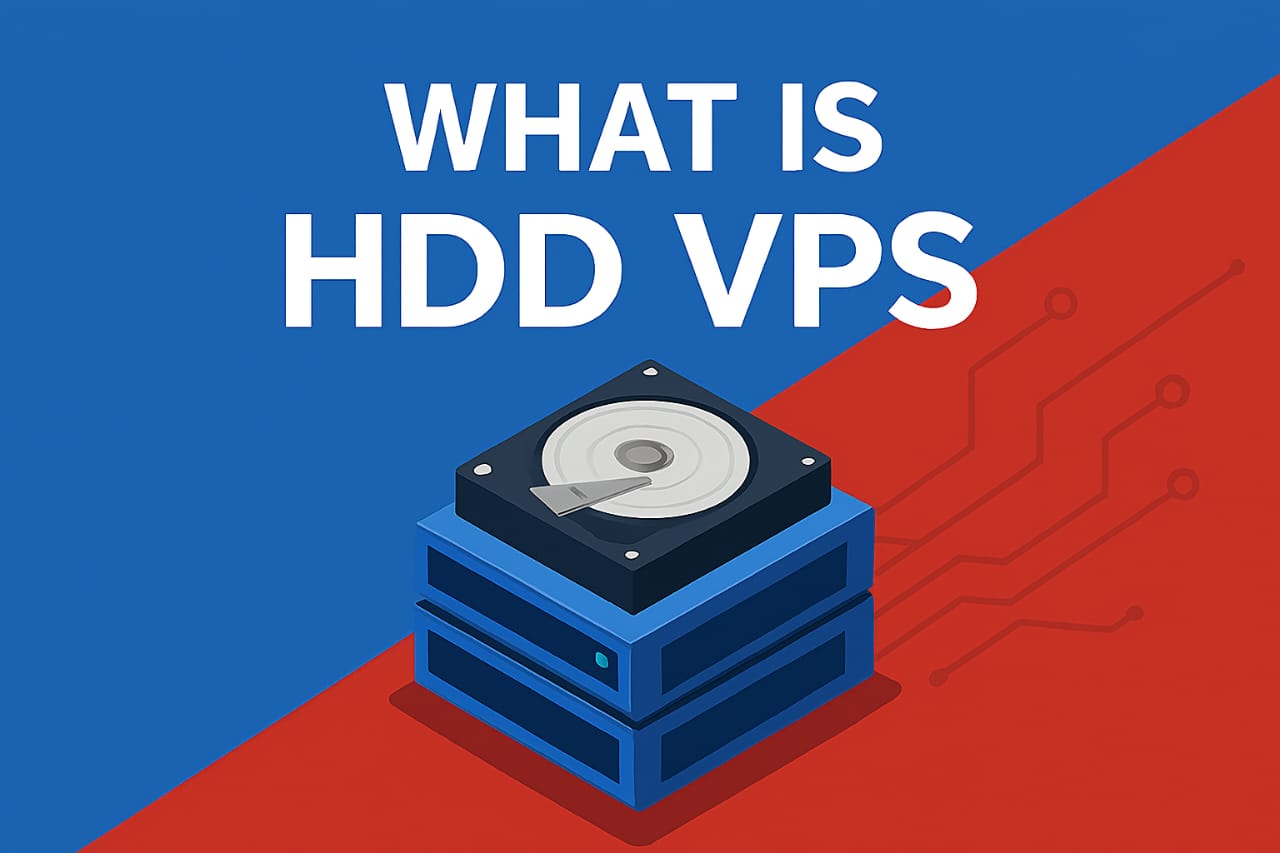
SSD VPS focuses on performance and consistency. Faster time to first byte and quick render paths keep engagement high and bounce low. Under campaign spikes SSD handles concurrent requests smoothly supporting caching layers and database operations without visible lag. For teams that publish daily or run product catalogs SSD keeps the site responsive and trustworthy which compounds with growth.
HDD VPS focuses on capacity and savings. You store large media libraries logs and backups without pushing budget limits. Static pages and lightweight tools run fine when speed is not critical. This model suits archival needs and internal repositories where access is occasional and predictable. If your priority is space and you can accept slower reads and writes HDD VPS remains a practical option.
Performance differences matter for modern hosting. SSD excels at random input output and concurrent operations which keeps dynamic pages fast and APIs responsive. HDD handles sequential reads and large files well but slows under mixed workloads and frequent small operations. For sites that rely on database queries search indexing and real time updates SSD delivers a clear day to day advantage.
Reliability and durability favor SSD. With no moving parts SSD resists mechanical wear and tolerates vibration better which reduces failure risk and maintenance overhead. HDD uses spinning platters and heads that wear over time and need careful handling. In controlled environments HDD still serves reliably but SSD reduces maintenance pressure and improves long term stability for active workloads.
Energy and efficiency lean toward SSD. Solid state storage consumes less power and generates less heat which helps data centers maintain cooler racks and lower operating costs. This efficiency supports sustainable hosting and can improve overall system stability. HDD draws more power and produces more heat which may require stronger cooling and careful placement.
SEO and user experience benefit from SSD. Faster disk access improves server response and Core Web Vitals supporting better engagement and potential ranking gains. HDD does not directly harm SEO but slower input output can add friction under load especially for dynamic sites. For rankings and conversions SSD provides the foundation that keeps pages fast and reliable.
Scalability feels smoother on SSD VPS. As traffic grows you add CPU memory and storage while keeping response times steady. SSD handles concurrent requests and background jobs with less slowdown. HDD VPS can scale capacity but performance may dip under mixed workloads. For dynamic apps and busy sites SSD scaling keeps the experience consistent and professional.
Cost comparison is straightforward. SSD VPS costs more per gigabyte but delivers speed reliability and efficiency that pay back through better engagement and reduced maintenance. HDD VPS costs less per gigabyte and suits storage heavy tasks where performance is secondary. The right choice depends on your priority speed and user experience or space and savings.
Use cases guide selection. Choose SSD VPS for ecommerce blogs business sites and APIs that need fast load and steady uptime. Choose HDD VPS for backups archives and static content libraries. Many teams combine both where SSD runs the live site and app stack and HDD stores backups media and logs. This balance keeps the platform fast while controlling storage costs.
Setup and tuning differ slightly. SSD VPS delivers instant speed with minimal tuning while you still configure caching compression and image optimization to keep pages light. HDD VPS needs careful resource planning to avoid slowdowns where you schedule heavy tasks during quiet hours and keep databases optimized. With clear policies both setups remain predictable and easy to manage.
Reliability comes from discipline. Keep snapshots backups and alerts active. Review logs and watch resource usage so issues are caught early. Document changes and maintain a simple rollback path. Whether you choose SSD or HDD a clean workflow and regular maintenance protect uptime and brand trust.
Teams in Pakistan gain practical value by placing servers near regional audiences to reduce latency. SSD improves local browsing speed and keeps sessions responsive. HDD supports affordable storage for media and archives. Together they serve agencies startups and growing stores that want both speed and space without compromise.
—
Getting started with HexaHosting
HexaHosting offers SSD VPS for speed focused sites and apps and HDD VPS for storage heavy needs. Setup stays simple with friendly panels and guided steps. Support remains available at all hours for troubleshooting and advice. Start with the option that matches your immediate goal and scale smoothly as operations grow. HexaHosting aligns with local performance needs and delivers a professional path from launch to growth.
Practical guidance
Decide your core requirement first. If you need fast pages and strong engagement choose SSD VPS. If you need large storage at friendly cost choose HDD VPS. Write clear policies for backups monitoring and updates. Document changes and keep workflows simple. When combining both set boundaries where SSD runs the live platform and HDD holds archives and backups. This balance keeps risk low and results steady.
Setup clarity
Pick a server location close to your audience for low latency. Configure caching compression and image optimization for speed. Keep firewall rules strict and use keys for access. Plan backup schedules and test restores. Track uptime and resource usage and adjust before load creates friction. Maintain clean documentation so future updates stay easy and safe.
About HexaHosting
HexaHosting provides SSD VPS for speed and reliability and HDD VPS for affordable large storage. Plans scale cleanly support stays responsive and guidance remains clear. For creators businesses and agencies in Pakistan HexaHosting offers a professional path from launch to growth.
Main keyword
SSD VPS vs HDD VPS – Which Performs Better