
Introduction
VPS hosting uses virtualization to split a single physical server into multiple isolated environments, each behaving like its own server with dedicated resources and an independent operating system. It delivers the middle ground between shared and dedicated hosting—more control and predictable performance without the full cost of a dedicated machine.
یہاں امیج اپلوڈ کرنی ہے
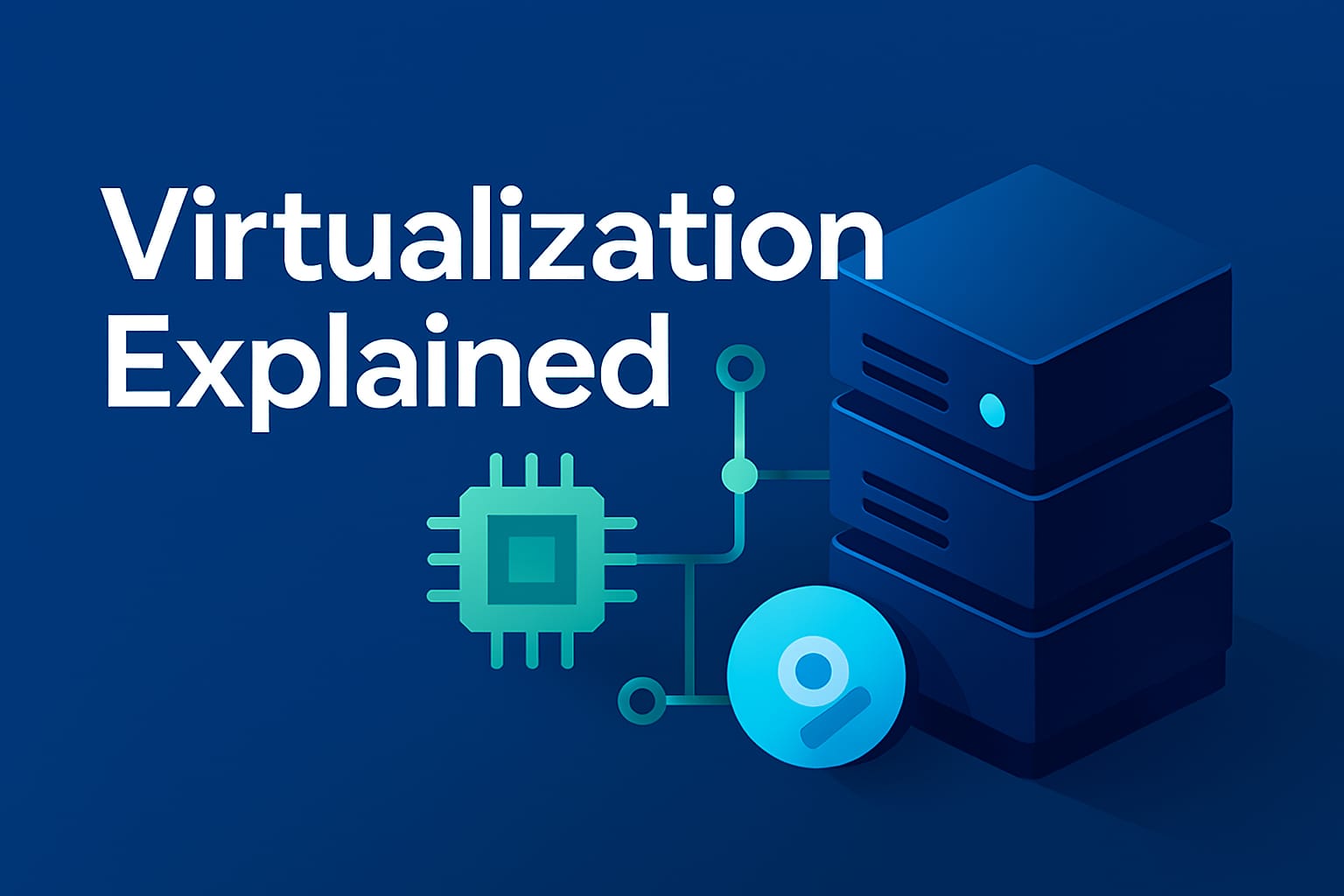
Virtualization explained
A hypervisor allocates CPU, RAM, storage, and bandwidth to each VPS, reserving those resources so other tenants can’t impact your performance. This isolation is the core of how VPS achieves reliability and security while staying cost‑effective compared to dedicated servers.
یہاں امیج اپلوڈ کرنی ہے
VPS architecture
Each VPS runs its own OS, can be rebooted independently, and supports custom software stacks, firewalls, and backups. The host server manages the hypervisor and monitors resource usage, enabling high availability and stable operations for modern workloads.
یہاں امیج اپلوڈ کرنی ہے
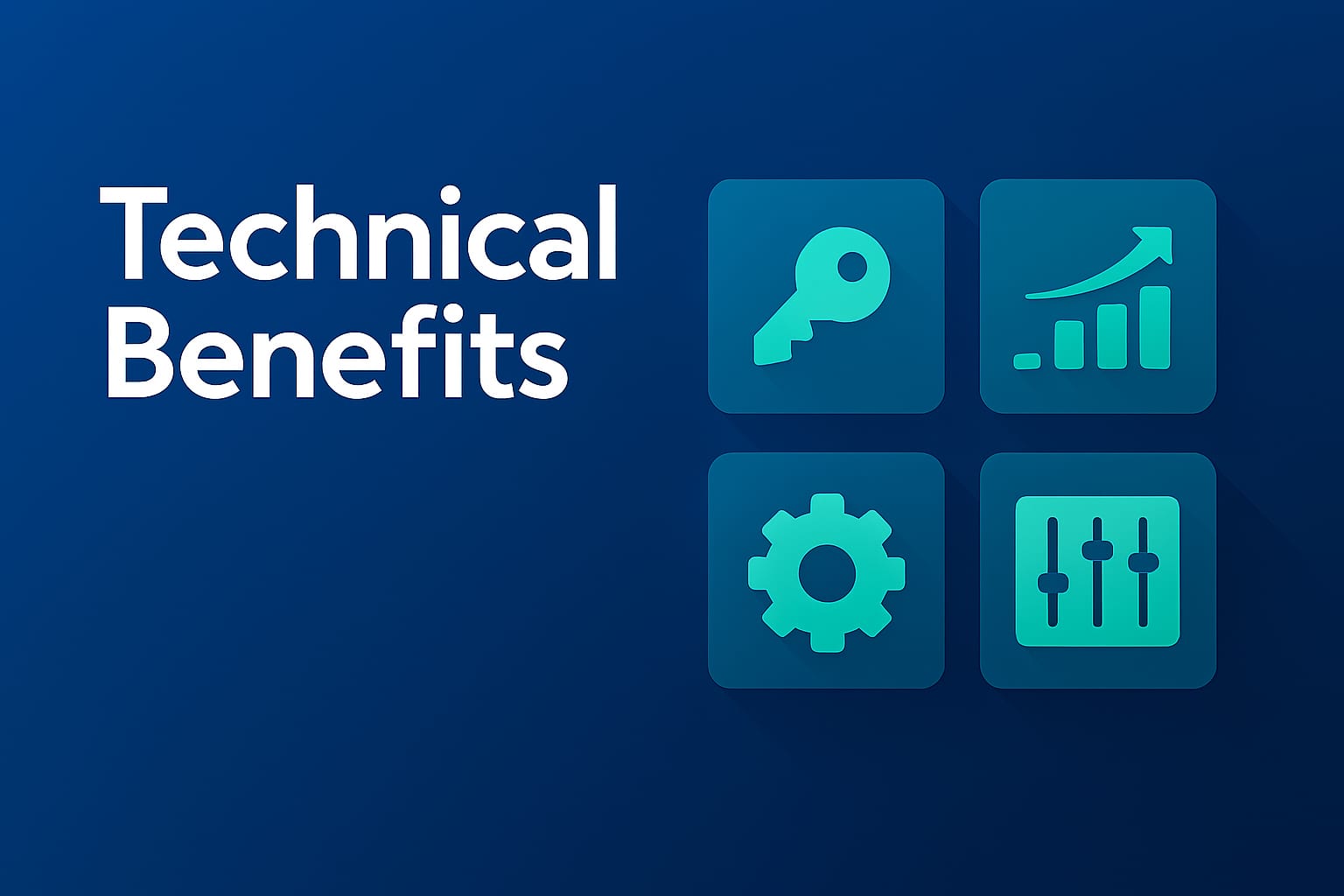
Technical benefits
VPS hosting typically offers root access, dedicated IPs, scalable plans, and support for multiple control panels and operating systems. You can upgrade resources with minimal or no downtime, tailoring environments to your exact needs.
یہاں امیج اپلوڈ کرنی ہے

VPS hosting works by creating isolated virtual machines on a single physical server. The hypervisor assigns guaranteed slices of CPU, memory, storage, and network throughput to each VPS, ensuring consistent performance even when neighboring tenants experience spikes. Unlike shared hosting—where resources are dynamically contested—VPS keeps allocations reserved, making it suitable for websites and applications that demand steady speed and uptime.
Isolation is the foundation of VPS reliability. Each VPS maintains its own file system, processes, and network stack, so issues in one environment don’t cascade into others. That separation strengthens security too—misconfigurations or vulnerabilities remain contained. When teams document responsibilities and enforce access policies, the isolation model translates into predictable operations and fewer surprises.
Performance depends on disciplined configuration. With VPS, you can tune your web server, database, and caching layers for your stack—optimizing query paths, compression, and queue management. Expertly tuned unmanaged environments can outperform generic setups, but misconfiguration introduces latency and instability. Regular benchmarking, log reviews, and capacity planning keep response times steady and user experience smooth over time.
Storage is commonly SSD‑based to accelerate read/write operations, which benefits dynamic sites, APIs, and ecommerce flows. Bandwidth is allocated per VPS and can be scaled as traffic grows. Control panels like cPanel, Plesk, or DirectAdmin streamline management of files, databases, email, and SSL, while OS choices range from popular Linux distributions to Windows Server—whichever best fits your stack and team skills.
Security in VPS is a shared responsibility model. Providers harden the base system and network, while you define app‑level roles, secrets, and firewall rules. Add malware scanning, intrusion detection, and scheduled audits to catch anomalies early. Backups—ideally offsite and versioned—provide a safety net, and a documented rollback plan keeps releases reversible and stress low during peak periods or major updates.
Scalability is a core advantage. You can increase RAM, CPU, and storage as your workload grows, often with minimal disruption. This elasticity helps teams absorb seasonal peaks, campaigns, and sudden traffic surges without sacrificing stability. A clear roadmap—covering thresholds, alerting, and upgrade paths—keeps infrastructure predictable and budgets under control.
Use cases span from ecommerce and content platforms to SaaS dashboards, APIs, and internal tools. Business sites benefit from uptime and straightforward scaling, while developer platforms and custom apps rely on root access and configuration freedom. Many teams blend models: managed VPS for production reliability and unmanaged VPS for development agility—keeping the public face stable while the lab remains flexible.
For teams in Pakistan, local performance matters. Placing VPS near regional audiences reduces latency and improves consistency across Multan, Bahawalpur, and major cities. Managed VPS keeps client sites steady with provider‑led monitoring and incident response, while unmanaged VPS empowers local dev teams to craft tailored stacks for APIs, integrations, and CI/CD pipelines. With clear boundaries, both models deliver speed, trust, and growth without operational friction.
A clean workflow sustains results. Define roles for updates, backups, access, and recovery. Track uptime, errors, and resource usage; set alerts before load spikes. Keep credentials strict and rotate keys on schedule. Review logs routinely and benchmark before scaling. When the plan is simple and visible, platforms stay fast, reliable, and professional—clients feel the polish in everyday interactions.
HexaHosting aligns with these needs through guided setup and responsive support. Managed plans remove routine tasks from your plate, while unmanaged plans give full control for custom stacks. Both scale cleanly and respect local performance goals. Start with the model that fits your immediate workflow, then evolve as projects grow and your team gains capacity—keeping the journey professional from launch to growth.
—
Getting started with HexaHosting
HexaHosting offers VPS hosting tailored for businesses and developers in Pakistan. Managed VPS provides simplicity and support; unmanaged VPS delivers full control and customization. Setup is guided, scaling is seamless, and support is available 24/7. Choose the model that matches your workflow and grow with confidence.
Practical guidance
– Define responsibilities: Managed—provider handles base ops; unmanaged—your team owns the stack.
– Write policies: Document updates, backups, access keys, firewall rules, and restore testing.
– Document changes: Maintain a changelog and rollback plan for safe releases.
– Monitor health: Track uptime, errors, and resource usage; set alerts before traffic spikes.
– Combine wisely: Managed for production stability; unmanaged for development flexibility.
Setup clarity
– Managed VPS: Use provider tools for caching, compression, WAF, backups, and SSL; keep credentials strict and rotate keys regularly.
– Unmanaged VPS: Harden SSH, configure firewall, set safe automated updates, schedule offsite backups, and optimize server/database/caching for your stack; review logs and benchmark before scaling.
—
Article demo
This article explains the technical foundation of VPS hosting. The top four short sections cover virtualization, architecture, and benefits—each followed by “یہاں امیج اپلوڈ کرنی ہے.” The lower section details hypervisors, isolation, performance tuning, storage, security, scalability, Pakistan‑specific considerations, and workflow discipline. HexaHosting’s solutions are highlighted to guide teams toward the right choice. The structure and keywords follow RankMath and Google SEO standards for strong readability and ranking.
About HexaHosting
HexaHosting provides VPS hosting with SSD storage, dedicated IPs, and flexible OS options. For developers and businesses in Pakistan, HexaHosting offers professional infrastructure with local performance and global reliability.
Main keyword
How VPS Hosting Works – Technical Overview
> Sources: